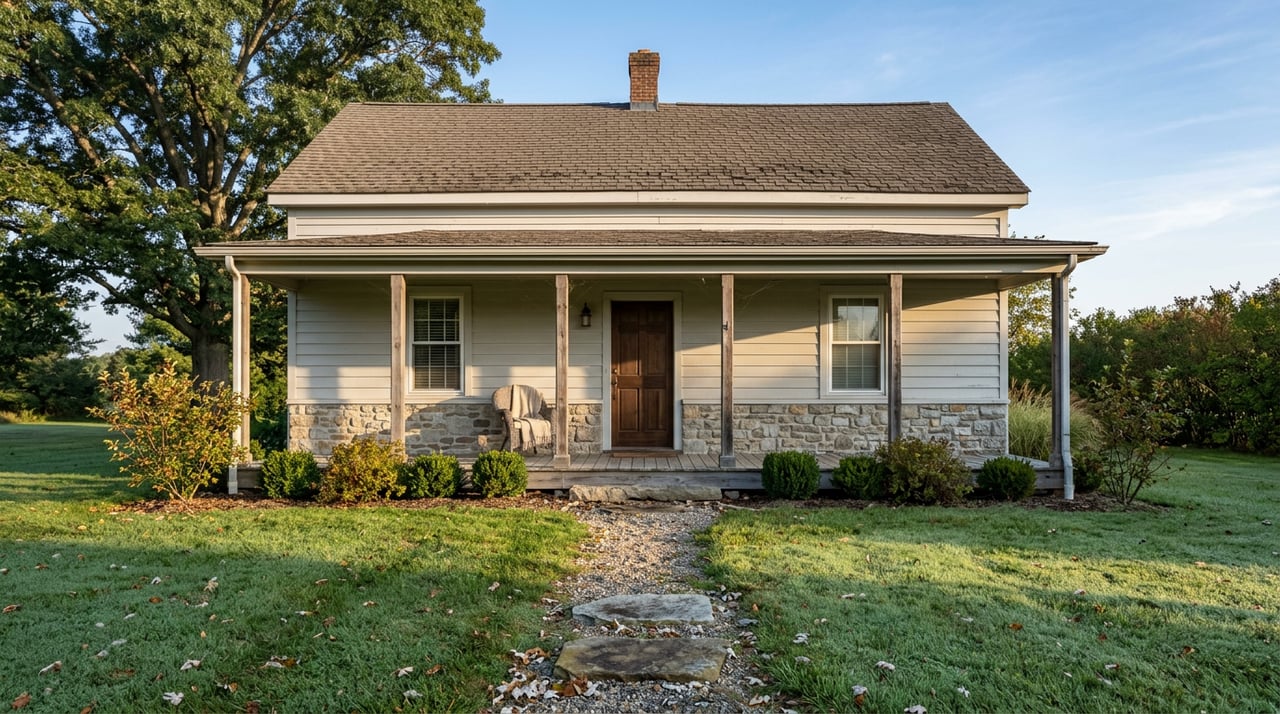
Picture two farmettes for sale on the same September weekend. Both sit on about two acres outside Lititz, both come with a private well and an on-lot septic system, both are priced within a few thousand dollars of each other. One property is in Warwick Township. The other sits fifteen minutes south in Penn Township. A buyer touring both assumes the closing process will look the same. It will not.
Pennsylvania has no statewide law requiring a septic inspection before a home sale. That decision belongs to the township, and in a county built on small municipal boundaries stacked next to working farms, the same system in the same soil can carry a different obligation depending on which side of the road it sits on. Add Lancaster County's agricultural density to the mix, and you get a second complication almost nobody asks about until it is too late to negotiate: a septic inspection tells you whether the tank and drainfield work, not whether the water coming out of your tap is safe to drink.
The Inspection Nobody Realizes Is Missing
A standard home inspection covers what is visible and accessible: electrical, HVAC, plumbing fixtures, roof, structure. It does not cover the septic system. That work falls to a separate inspector certified through the Pennsylvania Septage Management Association, known in the trade as a PSMA inspection. Pennsylvania has no state law requiring septic inspectors to hold any particular credential, so the PSMA certification functions as the de facto industry standard, and it is what FHA and VA lenders typically require before they will fund a loan on a property with an on-lot system.
As of 2026, Penn State Extension puts the base price for a PSMA inspection in south-central Pennsylvania at $350 to $700, with mandatory tank pumping adding another $275 to $500. A complete inspection with pumping runs $625 to $1,200 depending on system size. That is the baseline. Whether it happens at all, and who pays for it, depends on where the property sits.
The Same System, a Different Rule Depending on the Township
Lancaster County has no countywide septic ordinance. Instead, its townships and boroughs each write their own rule, and the differences are not cosmetic.
| Municipality | What the local rule requires | What it means at closing |
|---|---|---|
| Warwick Township | Ordinance #220 sets on-lot septic system maintenance requirements that the township tracks over time | A seller needs current maintenance records on file, not just a passing inspection at the moment of sale |
| Penn Township | On-lot systems must be inspected, maintained, and pumped at least every three years, and the township tracks compliance | If the last pump-out is outside that window, expect the township to flag it independent of anything the buyer's inspector finds |
| Municipalities without a point-of-sale ordinance | No mandatory inspection trigger tied to the sale itself | The inspection becomes a negotiated contingency in the agreement of sale rather than a legal requirement, and it is easier for either side to waive it |
That last row is where the risk concentrates. In a township with no ordinance, nothing forces the inspection to happen. It only happens if a buyer, a lender, or an agent insists on it as a condition of the deal.
What Happens When the Farmhouse Has Been Sitting Empty
Rural Lancaster County inventory includes a disproportionate share of estate sales and properties where an owner has already relocated before listing. That matters here because a septic system needs regular use to function. If a property has sat vacant for more than seven days, the inspector may require a hydraulic load test, which runs water through the system under load over two days to confirm the drainfield can still absorb wastewater at the volume a household would generate. It adds real time to a closing timeline that a buyer or seller may not have budgeted for, and it is exactly the kind of detail that surfaces only after an offer is already accepted.
The Risk a Passing Septic Inspection Does Not Rule Out
A septic system that passes inspection tells you the tank holds, the baffles are intact, and the drainfield absorbs wastewater the way it is supposed to. It tells you nothing about what is already in the well supplying the house.
Lancaster County's agricultural intensity puts private well owners in a position most Pennsylvania buyers never have to think about. Nitrate contamination from fertilizer and animal waste is a documented issue for wells in farm-dense areas of the county, and it carries no smell, no color, and no taste. A buyer relying solely on a septic certification, without a separate water quality test, can close on a property with a functioning septic system and a well that needs treatment before anyone should be drinking from it. That water test typically runs $200 to $600 and is not automatically bundled into a septic inspection. It has to be ordered separately.
A Market Where Buyers Have Reasons to Skip a Step
The pattern that set up this year is worth understanding, because it explains why so many buyers arrive ready to waive contingencies. Lancaster County Association of Realtors data showed a median sold price of $325,000 in January 2026, down from $358,750 in December 2025 and well off the record of $365,000 set in August 2025. That reads like a market handing buyers room to breathe. It is not quite that simple. Buyers in January still paid an average of 102.6 percent of the original list price, meaning competition for well-priced homes had not actually eased even as the median cooled. LCAR President Christina Diehl described the month as a balanced start to the year, with sustained pricing strength continuing to define the market even as seasonal volume slowed.
That combination of a softer headline number and still-tight bidding is exactly the environment where buyers start trimming contingencies to make an offer more competitive. A septic and water test contingency is one of the easiest things to waive under pressure, and one of the most expensive things to have skipped if it goes wrong. Replacing a failed septic system typically costs $15,000 to $30,000 or more, a number that erases any savings from winning a bidding war on the front end.
What This Means If You Are Buying or Listing a Farmette This Fall
Sellers with an on-lot system have an advantage if they get ahead of it. A pre-listing PSMA inspection costs the same $300 to $600 range whether it happens before or after an offer, but ordering it early means any problems get fixed on the seller's timeline instead of surfacing during a buyer's contingency period. Pennsylvania's Seller Disclosure Law requires sellers to state the septic system's type, age, last pump date, and any history of problems on the standard disclosure form, so there is no advantage in guessing rather than knowing.
Buyers should ask two questions before writing an offer on any property with a private well and septic system: which municipality is this in, and has it been vacant recently. The answer to the first tells you whether an inspection is a legal requirement or a negotiated contingency. The answer to the second tells you whether to budget extra time for a hydraulic load test. Neither question shows up on a listing sheet. Both change what closing looks like.
A Few Numbers Worth Having Before You Write or Accept an Offer
- PSMA-certified inspection with required pumping: $625 to $1,200 as of 2026
- Standalone water quality test for nitrates and other contaminants: $200 to $600
- Hydraulic load test, only triggered if the property has been vacant more than seven days: added time and cost beyond the standard inspection
- Full septic system replacement if the inspection fails: $15,000 to $30,000 or more
A Few Questions Worth Asking Before You Sign
Does every Lancaster County municipality require a septic inspection before a sale can close? No. Pennsylvania has no statewide mandate, and Lancaster County has no countywide ordinance. Some townships, like Penn Township, require regular inspection and pumping on a set schedule that the township itself tracks. Others have no point-of-sale trigger at all, which means the inspection only happens if it is written into the agreement of sale as a contingency.
Is a water test the same thing as a septic inspection? No. A septic inspection evaluates the tank, baffles, and drainfield. A water quality test evaluates what is actually in the water coming out of the well, including nitrates from nearby agricultural land. They are separate services with separate costs, and ordering one does not automatically cover the other.
What if the house has been vacant for a while? If a property has sat empty for more than seven days, the septic inspector may need to run a hydraulic load test before confirming the system works, which takes an extra two days and should be factored into any closing timeline on an estate sale or a property where the owner has already moved out.
Buying or selling a well-and-septic property in Lancaster County comes with more moving parts than a standard resale, and the details that matter most rarely show up until an offer is already on the table. Jared Gettel has worked both sides of transactions like this across York, Harrisburg, and the surrounding Central Pennsylvania counties. If you are weighing a farmette listing or preparing one to sell, let's connect and walk through what your specific township requires before you write the offer or sign the disclosure.